A practical example: a company wants to use AI voice cloning in ads. Ethical questions come before technical ones. Did the voice actor consent? Will listeners know the voice is synthetic? Who is paid, and who is responsible if the clip is misused?
Ethical AI is about values and judgment: what should be built, and for whom. Responsible AI and AI governance are mostly about how organizations put those values into practice through policies, reviews and controls. In practice the terms overlap and people often use them interchangeably.
Why it matters
There is no single rulebook. International principles such as the OECD AI Principles and UNESCO’s Recommendation on the Ethics of AI give common starting points, but teams still have to make judgment calls that laws do not fully settle.
On the podcast
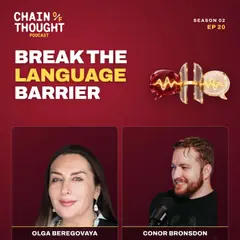
In episode 20, Olga Beregovaya of Smartling discusses voice cloning and synthetic voices for global communications, saying the opportunities are real but she would “thread very carefully” around “the fine balance between what is ethical AI” and what is not at 35:25. That is her view of the risk. Galileo sponsored episode 20.
Related terms
Bias in AI is one of the core ethical concerns. AI safety and AI alignment focus on preventing harmful model behavior.
Hear it from the guest
“The opportunities are there, but the fine balance between what is ethical AI”
Quotes lightly edited to remove filler words.
Sources
- OECD AI Principles — Intergovernmental principles for trustworthy AI, including respect for human rights and democratic values, fairness, transparency, robustness and accountability; checked October 24, 2026.
- UNESCO: Recommendation on the Ethics of Artificial Intelligence — UNESCO's global standard on AI ethics, adopted by its member states in 2021, centered on human rights and dignity; checked October 24, 2026.